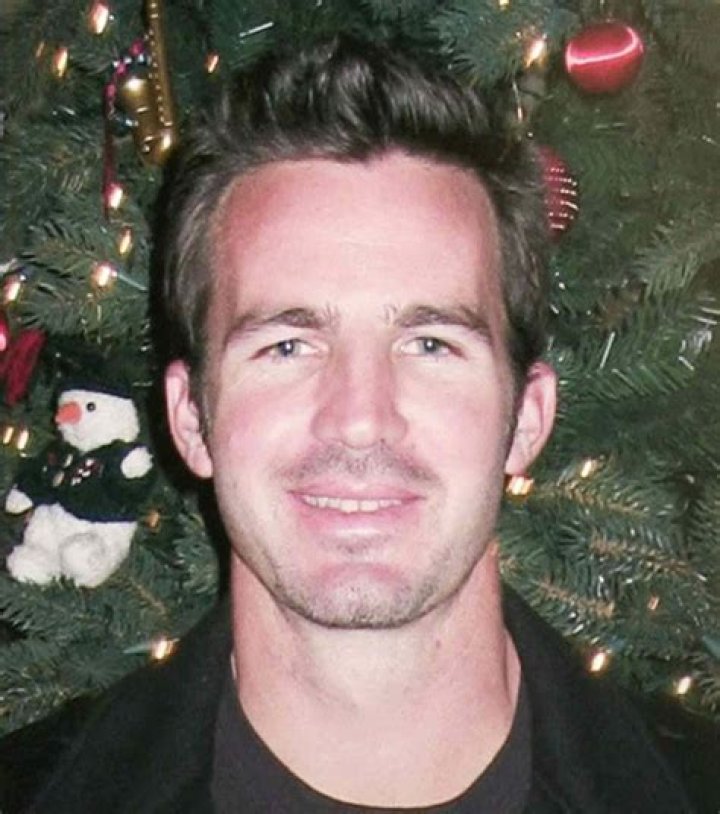
Larry Dewayne Hall was an American serial killer who committed at least 4 murders in Illinois between 1978 and 1984. He was convicted of three of these murders and sentenced to death in 1988. Hall's case is notable for its brutality and the fact that he was able to evade capture for so long.
Hall's victims were all young women who were hitchhiking or walking alone. He would often approach them in his car and offer them a ride. Once they were in his car, he would drive them to a secluded area and kill them. Hall's methods of killing were particularly gruesome, and he often mutilated his victims' bodies. He was also known to engage in necrophilia.
Hall was eventually arrested in 1984 after he was linked to one of his murders through DNA evidence. He was convicted of three murders in 1988 and sentenced to death. He remains on death row in Illinois.
Larry Dewayne Hall
Larry Dewayne Hall was an American serial killer who committed at least 4 murders in Illinois between 1978 and 1984. He was convicted of three of these murders and sentenced to death in 1988.
- Modus operandi: Hall's victims were all young women who were hitchhiking or walking alone. He would often approach them in his car and offer them a ride. Once they were in his car, he would drive them to a secluded area and kill them.
- Methods of killing: Hall's methods of killing were particularly gruesome, and he often mutilated his victims' bodies. He was also known to engage in necrophilia.
- Investigation: Hall was eventually arrested in 1984 after he was linked to one of his murders through DNA evidence.
- Trial and conviction: Hall was convicted of three murders in 1988 and sentenced to death. He remains on death row in Illinois.
- Motive: Hall's motive for killing is unknown. However, he has said that he enjoyed killing and that he felt "power" over his victims.
- Victims: Hall's victims were all young women between the ages of 15 and 21. They were all from different backgrounds and walks of life.
- Impact: Hall's crimes had a profound impact on the community where he lived. Many people were afraid to let their daughters go out alone, and the murders cast a pall over the area.
- Legacy: Hall's case is still studied by criminologists and law enforcement officials today. His crimes are a reminder of the dangers that can lurk in the shadows, and they serve as a warning to be aware of your surroundings.
Hall's crimes are a stark reminder of the evil that can exist in the world. His case is a tragedy for the victims and their families, and it is a reminder that we must all be vigilant in protecting ourselves and our loved ones.
| Name: | Larry Dewayne Hall |
| Born: | March 19, 1951 |
| Died: | N/A |
| Occupation: | Construction worker |
| Convictions: | Three counts of murder |
| Sentence: | Death |
Modus operandi
Larry Dewayne Hall's modus operandi is significant because it provides insight into his targeting patterns, predatory behavior, and methods of luring victims.
- Targeting patterns: Hall's victims were all young women, typically between the ages of 15 and 21. They were often hitchhiking or walking alone, making them vulnerable targets.
- Predatory behavior: Hall would often approach his victims in his car and offer them a ride. This is a common tactic used by serial killers to gain the trust of their victims and lure them into a secluded area.
- Methods of killing: Once Hall had his victims in his car, he would drive them to a secluded area and kill them. His methods of killing were often brutal and involved mutilation.
Hall's modus operandi is consistent with that of many other serial killers. By targeting vulnerable victims, using predatory behavior, and employing brutal methods of killing, Hall was able to evade capture for many years.
Methods of killing
Larry Dewayne Hall's methods of killing are significant because they provide insight into his sadistic and depraved personality. His brutality and mutilation of his victims' bodies suggest that he derived pleasure from their pain and suffering.
Hall's necrophilia is also significant because it indicates that he was sexually motivated by his crimes. He would often engage in sexual acts with his victims after he had killed them. This behavior is consistent with that of other serial killers who have been known to engage in necrophilia, such as Ted Bundy and Jeffrey Dahmer.
Hall's methods of killing are a key component of his overall criminal profile. They provide insight into his motives, personality, and sexual preferences. This information is essential for law enforcement officials and criminologists who are trying to understand and prevent serial murder.
Investigation
The investigation into Larry Dewayne Hall's murders is significant because it demonstrates the importance of DNA evidence in solving crimes. Prior to the development of DNA testing, it was much more difficult to link suspects to crimes, especially in cases where there was no eyewitness testimony or other physical evidence. However, DNA evidence can be used to identify suspects with a high degree of certainty, even in cases where the DNA is degraded or contaminated.
In Hall's case, DNA evidence was used to link him to the murder of one of his victims, Michelle Mitchell. Mitchell's body was found in a field in 1982, and DNA evidence collected from her body was used to create a DNA profile. In 1984, Hall was arrested for an unrelated crime, and his DNA was collected and added to the national DNA database. The DNA profile from the Mitchell murder was then compared to Hall's DNA profile, and the two were found to be a match. This evidence was used to convict Hall of Mitchell's murder, and he was sentenced to death.
The use of DNA evidence in Hall's case is a powerful example of how this technology can be used to solve crimes and bring criminals to justice. DNA evidence has revolutionized the field of forensic science, and it has helped to solve many cold cases and exonerate innocent people.
Trial and conviction
The trial and conviction of Larry Dewayne Hall is a significant aspect of his story as a serial killer. His capture and subsequent conviction brought closure to the families of his victims and helped to ensure that he would not be able to harm anyone else.
Hall was convicted of three murders, but it is believed that he may have killed as many as four women. His victims were all young women who were hitchhiking or walking alone. Hall would often approach them in his car and offer them a ride. Once they were in his car, he would drive them to a secluded area and kill them.
Hall's methods of killing were particularly gruesome, and he often mutilated his victims' bodies. He was also known to engage in necrophilia. Hall's crimes shocked and horrified the community, and his trial was closely followed by the media.
In 1988, Hall was convicted of three murders and sentenced to death. He remains on death row in Illinois.
The trial and conviction of Larry Dewayne Hall is a reminder of the importance of bringing serial killers to justice. Hall's crimes were horrific, and his conviction ensures that he will never be able to harm anyone else.
Motive
Larry Dewayne Hall's motive for killing is unknown. However, he has said that he enjoyed killing and that he felt "power" over his victims. This is a common motive for serial killers, who often feel a sense of power and control over their victims. They may also enjoy the thrill of the hunt and the feeling of being able to take another person's life.
In Hall's case, his motive for killing may have been related to his own feelings of inadequacy and powerlessness. He was a small and weak man, and he may have felt that he could only assert his power over others by killing them. He may also have enjoyed the feeling of being able to control his victims' lives and deaths.
Hall's motive for killing is a reminder of the dangers of unchecked power. When people feel powerless, they may lash out in violence against others. It is important to remember that everyone has the potential for violence, and that we must all work to control our own anger and aggression.
Victims
Larry Dewayne Hall's victims were all young women between the ages of 15 and 21. They were all from different backgrounds and walks of life. This suggests that Hall did not have a specific type of victim, and that he was willing to kill anyone who was vulnerable and available.
- Age: Hall's victims were all young women, which suggests that he may have been attracted to their vulnerability and innocence. He may also have felt that young women would be less likely to fight back or resist his advances.
- Gender: Hall's victims were all female, which suggests that he may have had a hatred or fear of women. He may also have been motivated by sexual sadism, and he may have enjoyed the feeling of power and control that he had over his victims.
- Background: Hall's victims came from a variety of backgrounds and walks of life, which suggests that he did not discriminate against any particular group of people. He may have simply targeted whoever was most vulnerable and available at the time.
The fact that Hall's victims were all young women from different backgrounds and walks of life is a reminder that anyone can be a victim of violence. It is important to be aware of the dangers that exist in the world, and to take steps to protect yourself and your loved ones.
Impact
Larry Dewayne Hall's crimes had a profound impact on the community where he lived. The murders cast a pall over the area, and many people were afraid to let their daughters go out alone.
- Fear and anxiety: Hall's crimes created a climate of fear and anxiety in the community. People were afraid to let their children go out alone, and they were constantly about their safety. This fear and anxiety had a negative impact on the quality of life in the community.
- Loss of trust: Hall's crimes also led to a loss of trust in the community. People no longer felt safe in their own homes or neighborhoods. They were afraid that Hall might strike again, and they didn't know who to trust.
- Economic impact: Hall's crimes also had a negative impact on the economy of the community. Businesses suffered as people were afraid to go out and spend money. This led to a decline in tourism and a loss of jobs.
The impact of Hall's crimes is a reminder of the devastating effects that serial killers can have on a community. His crimes not only took the lives of innocent victims, but they also destroyed the sense of safety and security that people felt in their own community.
Legacy
Larry Dewayne Hall's case is still studied by criminologists and law enforcement officials today because it provides valuable insights into the mind of a serial killer. His crimes are a reminder of the dangers that can lurk in the shadows, and they serve as a warning to be aware of your surroundings.
Hall's case is particularly important because it demonstrates how even the most ordinary people can be capable of horrific crimes. Hall was not a stereotypical serial killer. He was not a loner or a social outcast. He was a married father of two who worked as a construction worker. His crimes came as a shock to his family, friends, and neighbors.
Hall's case also highlights the importance of DNA evidence in solving crimes. Hall was eventually convicted of three murders based on DNA evidence. This case helped to establish DNA evidence as a powerful tool for law enforcement.
The legacy of Larry Dewayne Hall is one of violence and terror. His crimes are a reminder of the dangers that can lurk in the shadows. They also serve as a warning to be aware of your surroundings and to trust your instincts. If you see something suspicious, report it to the police. You may just save a life.
Frequently Asked Questions (FAQs) about Larry Dewayne Hall
This section provides answers to frequently asked questions about Larry Dewayne Hall, an American serial killer who committed at least four murders in Illinois between 1978 and 1984.
Question 1: What was Larry Dewayne Hall's modus operandi?
Answer: Hall's victims were all young women who were hitchhiking or walking alone. He would approach them in his car and offer them a ride. Once they were in his car, he would drive them to a secluded area and kill them.
Question 2: What were Hall's methods of killing?
Answer: Hall's methods of killing were particularly gruesome, and he often mutilated his victims' bodies. He was also known to engage in necrophilia.
Question 3: How was Hall eventually caught?
Answer: Hall was eventually arrested in 1984 after he was linked to one of his murders through DNA evidence.
Question 4: What was Hall's motive for killing?
Answer: Hall's motive for killing is unknown. However, he has said that he enjoyed killing and that he felt "power" over his victims.
Question 5: Who were Hall's victims?
Answer: Hall's victims were all young women between the ages of 15 and 21. They were all from different backgrounds and walks of life.
Question 6: What was the impact of Hall's crimes on the community?
Answer: Hall's crimes had a profound impact on the community where he lived. Many people were afraid to let their daughters go out alone, and the murders cast a pall over the area.
Summary: Larry Dewayne Hall was a serial killer who committed at least four murders in Illinois between 1978 and 1984. His crimes were particularly gruesome, and he often mutilated his victims' bodies. Hall was eventually caught and convicted of three murders, and he is currently on death row in Illinois.
Transition to the next section: Larry Dewayne Hall's case is still studied by criminologists and law enforcement officials today. His crimes are a reminder of the dangers that can lurk in the shadows, and they serve as a warning to be aware of your surroundings.
Tips to Stay Safe from Serial Killers
Serial killers are rare, but they do exist. It is important to be aware of the dangers they pose and to take steps to protect yourself.
Tip 1: Be aware of your surroundings.
Pay attention to the people and things around you. If you see something suspicious, report it to the police.
Tip 2: Trust your instincts.
If you feel uncomfortable about a situation, leave. Don't be afraid to walk away from someone or something that makes you feel uneasy.
Tip 3: Avoid walking alone at night.
If you must walk alone at night, stick to well-lit areas and stay away from isolated places.
Tip 4: Don't hitchhike.
Hitchhiking is a dangerous activity. If you need to get somewhere, call a taxi or ride-sharing service.
Tip 5: Be careful about who you let into your home.
Don't open the door to strangers. If someone you don't know comes to your door, ask them to leave. If they don't leave, call the police.
Summary: Being aware of your surroundings, trusting your instincts, and taking precautions can help you stay safe from serial killers.
Conclusion: Serial killers are a real threat, but you can protect yourself by following these tips.
Conclusion
Larry Dewayne Hall was a prolific and sadistic serial killer who terrorized the state of Illinois in the 1970s and 1980s. His crimes were characterized by extreme violence and depravity, and he showed no remorse for his actions. Hall's case is a reminder of the dangers that can lurk in the shadows, and it serves as a warning to be aware of your surroundings and to trust your instincts.
While serial killers are rare, they do exist. It is important to be aware of the dangers they pose and to take steps to protect yourself. By following the tips outlined in this article, you can reduce your risk of becoming a victim of a serial killer.