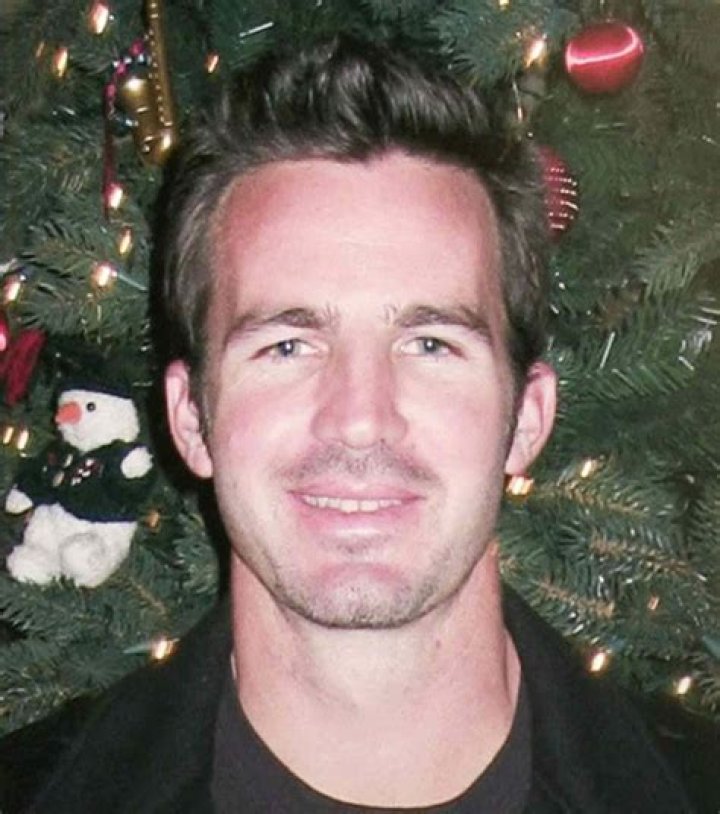
Oli London Before Surgery And Operation Real refers to the appearance of Oli London, a British singer and media personality, prior to undergoing extensive plastic surgery procedures to resemble Korean pop star Jimin of the group BTS. Oli London's transformation has been widely publicized and has sparked discussions about the ethics of plastic surgery, cultural appropriation, and the pressures of societal beauty standards.
Oli London's decision to undergo plastic surgery has been met with mixed reactions. Some have criticized London for promoting unrealistic beauty standards and perpetuating harmful stereotypes about Asian people. Others have expressed concern about the potential risks to London's health and well-being. However, London has defended his decision, stating that he is simply pursuing his dream of looking like his idol.
The case of Oli London Before Surgery And Operation Real highlights the complex issues surrounding plastic surgery and the pursuit of beauty. It is important to remember that plastic surgery is a serious medical procedure with potential risks and complications. It is also important to be aware of the cultural and societal factors that can influence our perceptions of beauty. Ultimately, the decision of whether or not to undergo plastic surgery is a personal one that should be made after careful consideration of all the factors involved.
Oli London Before Surgery And Operation Real
The transformation of Oli London, a British singer and media personality, into a Korean pop star doppelgnger has sparked discussions about the ethics of plastic surgery, cultural appropriation, and the pressures of societal beauty standards. Here are 8 key aspects to consider when examining "Oli London Before Surgery And Operation Real":
- Identity: London's pursuit of a Korean appearance raises questions about authenticity and self-acceptance.
- Culture: The case highlights the complex relationship between cultural appreciation and appropriation.
- Health: Plastic surgery is a serious medical procedure with potential risks and complications.
- Mental health: London's transformation may reflect underlying psychological issues.
- Society: The case underscores the influence of societal beauty standards and the pressure to conform.
- Ethics: The ethics of plastic surgery for non-medical reasons are a subject of ongoing debate.
- Media: The media's portrayal of London's transformation has played a significant role in shaping public opinion.
- Representation: London's case raises questions about the representation of diversity and inclusion in the media and popular culture.
In conclusion, the case of Oli London Before Surgery And Operation Real is a complex one that touches on a wide range of issues. It is important to consider the various dimensions of this case in order to gain a deeper understanding of the ethical, cultural, and societal implications of plastic surgery and the pursuit of beauty.
Identity
Oli London's transformation into a Korean pop star doppelganger has sparked discussions about the complex relationship between identity, authenticity, and self-acceptance. London's pursuit of a Korean appearance raises questions about whether it is possible to truly embody another culture and whether such a pursuit is a form of cultural appropriation.
- Facet 1: Authenticity
Authenticity is often defined as being true to oneself. In the context of Oli London's transformation, some have questioned whether it is possible to be authentic while pursuing an appearance that is so closely associated with another culture. Critics argue that London's transformation is a form of cultural appropriation, as he is borrowing from Korean culture without fully understanding or respecting its traditions.
- Facet 2: Self-acceptance
London's transformation may also reflect a lack of self-acceptance. By attempting to become someone else, London may be rejecting his own unique identity. This can lead to a cycle of self-doubt and insecurity, as the person constantly compares themselves to the idealized image they are trying to achieve.
- Facet 3: Cultural appropriation
Cultural appropriation occurs when someone adopts elements of a culture that is not their own, often without understanding or respecting the cultural context. In the case of Oli London, some have argued that his transformation is a form of cultural appropriation, as he is borrowing from Korean culture without fully understanding or respecting its traditions.
- Facet 4: Media representation
The media plays a significant role in shaping our perceptions of beauty and identity. London's transformation has been widely publicized in the media, and this has led to increased awareness of the issues surrounding cultural appropriation and self-acceptance.
The case of Oli London Before Surgery And Operation Real is a complex one that raises important questions about identity, authenticity, and self-acceptance. It is important to consider the various dimensions of this case in order to gain a deeper understanding of the ethical, cultural, and societal implications of plastic surgery and the pursuit of beauty.
Culture
The case of Oli London Before Surgery And Operation Real highlights the complex relationship between cultural appreciation and appropriation. Cultural appreciation involves engaging with and learning from other cultures, while cultural appropriation involves adopting elements of other cultures without understanding or respecting their cultural context. Oli London's transformation into a Korean pop star doppelganger has been criticized by some as a form of cultural appropriation, as he is borrowing from Korean culture without fully understanding or respecting its traditions.
It is important to distinguish between cultural appreciation and appropriation. Cultural appreciation is about learning from and engaging with other cultures, while cultural appropriation is about taking elements from other cultures without understanding or respecting their cultural context. In the case of Oli London, some have argued that his transformation is a form of cultural appropriation, as he is borrowing from Korean culture without fully understanding or respecting its traditions.
The case of Oli London Before Surgery And Operation Real is a complex one that raises important questions about cultural appreciation and appropriation. It is important to be aware of the potential risks of cultural appropriation and to be respectful of other cultures when engaging with them.
Health
Oli London's pursuit of a Korean appearance involved extensive plastic surgery, which is a serious medical procedure with potential risks and complications. London underwent multiple surgeries, including rhinoplasty, blepharoplasty, and facial feminization surgery, in order to achieve his desired look. While London has been open about his plastic surgery journey, it is important to be aware of the potential risks and complications associated with these procedures.
Some of the potential risks and complications of plastic surgery include:
- Infection
- Bleeding
- Scarring
- Nerve damage
- Asymmetry
- Unsatisfactory results
It is also important to note that plastic surgery is not a magic bullet. It cannot change your fundamental identity or make you a different person. If you are considering plastic surgery, it is important to do your research and choose a qualified surgeon who can help you achieve your desired results safely and effectively.
The case of Oli London Before Surgery And Operation Real highlights the importance of being aware of the potential risks and complications of plastic surgery. It is also important to remember that plastic surgery is not a substitute for self-acceptance. If you are struggling with your body image, it is important to seek professional help.
Mental health
Oli London's pursuit of a Korean appearance through extensive plastic surgery may reflect underlying psychological issues, such as body dysmorphic disorder (BDD). BDD is a mental health condition characterized by a persistent preoccupation with one or more perceived flaws in one's appearance. People with BDD often undergo multiple plastic surgeries in an attempt to correct their perceived flaws, but they are never satisfied with the results.
In the case of Oli London, his transformation into a Korean pop star doppelganger may be a manifestation of BDD. London has stated that he believes he is Korean and that he has always felt a strong connection to Korean culture. However, his pursuit of a Korean appearance has been met with criticism from some who believe that he is appropriating Korean culture. This criticism may have exacerbated London's BDD and led him to undergo even more plastic surgeries in an attempt to achieve his desired look.
The case of Oli London Before Surgery And Operation Real highlights the importance of mental health awareness and the potential risks of plastic surgery. It is important to remember that plastic surgery is not a substitute for self-acceptance. If you are considering plastic surgery, it is important to be aware of the potential risks and complications, and to seek professional help if you are struggling with your body image.
Society
The case of Oli London Before Surgery And Operation Real underscores the influence of societal beauty standards and the pressure to conform. London's pursuit of a Korean appearance through extensive plastic surgery can be seen as a reflection of the pressure that many people feel to conform to societal ideals of beauty. In many cultures, there is a narrow and often unattainable standard of beauty that is promoted through the media and popular culture. This standard can lead to feelings of inadequacy and low self-esteem, and it can drive people to take drastic measures to change their appearance.
In the case of Oli London, it is clear that he felt a strong pressure to conform to the Korean beauty ideal. He has stated that he believes he is Korean and that he has always felt a strong connection to Korean culture. However, his pursuit of a Korean appearance has been met with criticism from some who believe that he is appropriating Korean culture. This criticism may have exacerbated London's feelings of inadequacy and led him to undergo even more plastic surgeries in an attempt to achieve his desired look.
The case of Oli London Before Surgery And Operation Real is a cautionary tale about the dangers of conforming to societal beauty standards. It is important to remember that beauty is subjective and that there is no one right way to look. We should all strive to be comfortable in our own skin and to appreciate the beauty that is unique to each of us.
Ethics
The case of Oli London Before Surgery And Operation Real raises important ethical questions about the use of plastic surgery for non-medical reasons. London's pursuit of a Korean appearance through extensive plastic surgery has sparked discussions about the ethics of plastic surgery, cultural appropriation, and the pressures of societal beauty standards.
- Facet 1: Informed consent
One of the key ethical concerns surrounding plastic surgery for non-medical reasons is the issue of informed consent. Patients must be fully informed of the risks and benefits of surgery, as well as the potential for complications. In the case of Oli London, it is unclear whether he fully understood the potential risks and complications of his multiple surgeries.
- Facet 2: Mental health
Another ethical concern is the mental health of patients seeking plastic surgery for non-medical reasons. Some experts believe that people with body dysmorphic disorder (BDD) should not be allowed to undergo plastic surgery, as they are unlikely to be satisfied with the results. In the case of Oli London, it is possible that he may have BDD, which could have influenced his decision to undergo multiple surgeries.
- Facet 3: Cultural appropriation
Oli London's transformation into a Korean pop star doppelganger has also raised questions about cultural appropriation. Some critics have argued that London is appropriating Korean culture without fully understanding or respecting its traditions. This is a complex issue with no easy answers, but it is important to be aware of the potential for cultural appropriation when considering plastic surgery for non-medical reasons.
- Facet 4: Societal pressures
Finally, it is important to consider the role of societal pressures in the decision to undergo plastic surgery for non-medical reasons. In many cultures, there is a narrow and often unattainable standard of beauty that is promoted through the media and popular culture. This standard can lead to feelings of inadequacy and low self-esteem, and it can drive people to take drastic measures to change their appearance.
The case of Oli London Before Surgery And Operation Real is a complex one that raises important ethical questions about the use of plastic surgery for non-medical reasons. It is important to be aware of the potential risks and benefits of surgery, as well as the potential for complications. It is also important to consider the mental health of patients seeking plastic surgery, as well as the role of societal pressures in the decision to undergo surgery.
Media Representation and Public Perception
The media's portrayal of Oli London's transformation has played a significant role in shaping public opinion about his journey. The extensive media coverage has influenced perceptions, sparked debates, and raised questions about identity, cultural appropriation, and the ethics of plastic surgery.
- Facet 1: Creating a Public Image
The media has played a crucial role in constructing the public image of Oli London. Through interviews, news articles, and social media, the media has shaped the narrative surrounding London's transformation. The portrayal of London as a person seeking to emulate a Korean pop star has influenced public perception and contributed to the discussions about cultural appropriation and authenticity.
- Facet 2: Shaping Public Discourse
The media coverage of London's transformation has sparked public discourse and debate. Media outlets have provided platforms for experts, commentators, and the general public to express their views on the ethical implications of plastic surgery for non-medical reasons, the potential for cultural appropriation, and the pressures of societal beauty standards.
- Facet 3: Influencing Public Opinion
The media's portrayal of London's transformation has undoubtedly influenced public opinion. By presenting different perspectives and viewpoints, the media has shaped public sentiment and contributed to the formation of opinions about London's actions and motivations. The media's coverage has also raised awareness about the complexities surrounding plastic surgery, cultural identity, and the pursuit of beauty.
- Facet 4: Media Ethics and Responsibility
The media's coverage of London's transformation has also raised questions about media ethics and responsibility. Some critics have argued that the media has sensationalized London's story, focusing on the most extreme aspects of his transformation and neglecting to provide a balanced and nuanced perspective. Others have questioned whether the media should give a platform to individuals who may be struggling with mental health issues.
In conclusion, the media's portrayal of Oli London's transformation has played a significant role in shaping public opinion. The media has constructed London's public image, sparked public discourse, influenced public opinion, and raised questions about media ethics and responsibility. The media's coverage has contributed to the complex and multifaceted understanding of the case of "Oli London Before Surgery And Operation Real."
Representation
Oli London's transformation into a Korean pop star doppelganger has sparked discussions about the representation of diversity and inclusion in the media and popular culture. London's case highlights the lack of representation of East Asian individuals in Western media, and the exoticization and fetishization of Asian cultures that often occurs when they are represented.
The media plays a powerful role in shaping our perceptions of beauty and identity. When certain groups are underrepresented or stereotyped in the media, it can have a negative impact on how those groups are viewed and treated in society. In the case of Oli London, his transformation into a Korean pop star doppelganger has been criticized for perpetuating harmful stereotypes about Asian people. London's actions have also been seen as a form of cultural appropriation, as he is borrowing from Korean culture without fully understanding or respecting its traditions.
The case of Oli London Before Surgery And Operation Real is a reminder of the importance of diversity and inclusion in the media and popular culture. It is important to ensure that all voices are heard and that all cultures are represented in a respectful and accurate way. Only then can we create a truly inclusive and equitable society.
FAQs
This section addresses frequently asked questions and misconceptions surrounding the case of Oli London Before Surgery And Operation Real. It provides concise and informative answers to clarify the key aspects of this topic.
Question 1: Who is Oli London?
Oli London is a British singer, media personality, and social media influencer known for his extensive plastic surgery to resemble Korean pop star Jimin of the group BTS.
Question 2: What is the controversy surrounding Oli London?
London's transformation has sparked debates about cultural appropriation, the ethics of plastic surgery for non-medical reasons, and the pressures of societal beauty standards.
Question 3: Is Oli London's transformation a form of cultural appropriation?
Some critics argue that London's actions are a form of cultural appropriation as he is borrowing from Korean culture without fully understanding or respecting its traditions.
Question 4: What are the ethical concerns surrounding Oli London's plastic surgery?
Ethical concerns include informed consent, the mental health of patients seeking plastic surgery for non-medical reasons, and the potential for complications.
Question 5: How has the media portrayed Oli London's transformation?
The media has played a significant role in shaping public opinion about London's transformation, influencing perceptions and sparking debates about identity, cultural appropriation, and media ethics.
Question 6: What are the key takeaways from the case of Oli London Before Surgery And Operation Real?
This case highlights the complex issues surrounding plastic surgery, cultural appropriation, societal beauty standards, and the importance of media responsibility in shaping public discourse.
In conclusion, the case of Oli London Before Surgery And Operation Real raises important questions about identity, culture, ethics, and representation. It is a reminder of the need for informed discussions and a nuanced understanding of the complex factors that influence our perceptions of beauty and cultural identity.
Transition to the next article section: Exploring the Cultural and Ethical Implications of Oli London's Transformation
Understanding the Case of Oli London Before Surgery And Operation Real
The case of Oli London Before Surgery And Operation Real raises important questions about cultural appropriation, the ethics of plastic surgery, and the influence of societal beauty standards. Here are five key tips to consider when examining this complex issue:
Tip 1: Examine the Ethical ImplicationsConsider the ethical concerns surrounding plastic surgery for non-medical reasons, including informed consent, the mental health of patients, and the potential for complications.
Tip 2: Understand Cultural AppropriationBe aware of the potential for cultural appropriation when borrowing elements from other cultures. Ensure that you are respectful of the traditions and values of the culture you are engaging with.
Tip 3: Consider Media ResponsibilityBe critical of the media's portrayal of Oli London's transformation. Evaluate whether the media is presenting a balanced and nuanced perspective or sensationalizing the story.
Tip 4: Embrace Inclusivity and DiversityPromote diversity and inclusion in the media and popular culture. Ensure that all voices are heard and that all cultures are represented in a respectful and accurate way.
Tip 5: Seek Professional Help When NeededIf you are considering plastic surgery, seek professional help from a qualified surgeon. Discuss your motivations, expectations, and potential risks to make an informed decision.
By considering these tips, you can gain a deeper understanding of the complex issues surrounding Oli London Before Surgery And Operation Real and engage in informed discussions about cultural appropriation, ethics, and the pursuit of beauty.
Transition to the conclusion: Reflections on the Case of Oli London and Its Implications
Conclusion
The case of Oli London Before Surgery And Operation Real has sparked a complex and multifaceted discussion about cultural appropriation, the ethics of plastic surgery, and the pressures of societal beauty standards. It is a reminder of the importance of approaching these issues with sensitivity, nuance, and a commitment to inclusivity.
As we navigate the complexities of cultural exchange and personal identity, it is essential to engage in respectful dialogue and to challenge harmful stereotypes. The media plays a crucial role in shaping public discourse, and it has a responsibility to provide balanced and informed perspectives on such sensitive topics. By promoting diversity and inclusion, we can create a more equitable and understanding society.
Uncover The Captivating World Of Donna Mills: A Star's Journey, Unraveled
Unraveling Gordon Cormier's Ethnicity: Exploring Cultural Heritage And Identity
Unveiling The Enigmatic Wife Of Drew Griffin: Behind-the-Scenes Insights And Revelations
What would happen if I get a haircut that makes me look like a South
Oli London announces plans for penis reduction surgery to complete his
Bts Before Surgery 10 Kpop Stars Before And After Plastic Surgery