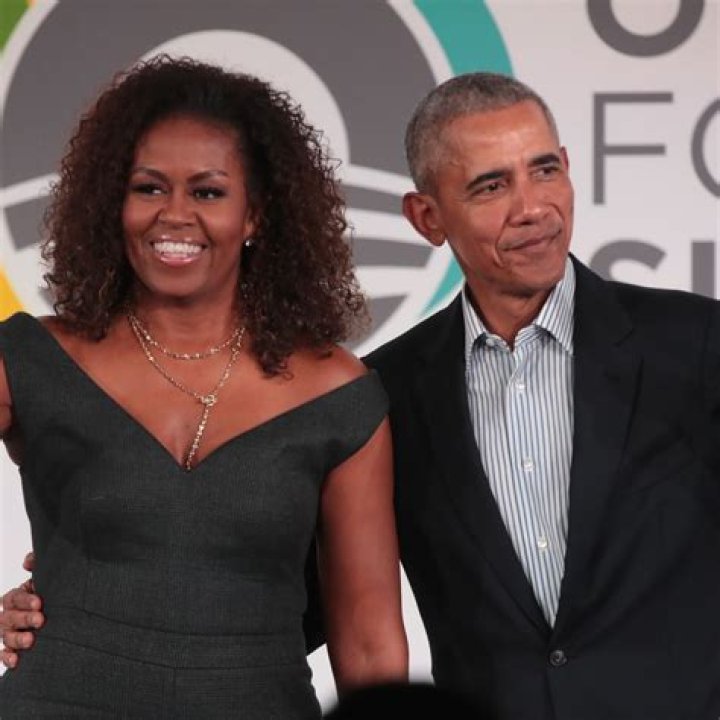
"Bliss ethnicity" is a term that has been used to describe the feeling of happiness and contentment that comes from one's ethnic identity. It is a sense of belonging and pride in one's culture and heritage. People who experience bliss ethnicity feel connected to their community and have a strong sense of self-identity.
There are many benefits to experiencing bliss ethnicity. It can lead to increased self-esteem, a greater sense of purpose, and a more positive outlook on life. It can also help people to connect with others who share their cultural background and to learn more about their heritage.
Bliss ethnicity is an important part of many people's lives. It can provide a sense of belonging, purpose, and happiness. If you are fortunate enough to experience bliss ethnicity, cherish it. It is a gift that can make your life richer and more fulfilling.
bliss ethnicity
Bliss ethnicity is a state of happiness and contentment that comes from one's ethnic identity. It is a sense of belonging and pride in one's culture and heritage. People who experience bliss ethnicity feel connected to their community and have a strong sense of self-identity.
- Belonging: A sense of connection to one's community and culture.
- Pride: A sense of pride in one's heritage and accomplishments.
- Identity: A strong sense of self-identity and purpose.
- Happiness: A general feeling of happiness and contentment.
- Purpose: A sense of purpose and meaning in life.
- Connection: A sense of connection to others who share one's cultural background.
- Heritage: A deep appreciation for one's cultural heritage.
- Culture: A deep understanding and appreciation for one's culture.
- Community: A sense of belonging to a supportive and vibrant community.
These are just a few of the key aspects of bliss ethnicity. When these aspects are present in a person's life, they can lead to a deep sense of happiness and fulfillment. Bliss ethnicity is a gift that can make life richer and more meaningful.
Belonging
Belonging is a fundamental human need. We all want to feel connected to others and to feel like we are part of something larger than ourselves. For many people, this sense of belonging comes from their ethnic identity.
- Community involvement: People who are involved in their community are more likely to experience bliss ethnicity. This is because they have a sense of connection to their neighbors and to the place where they live. They feel like they are part of something bigger than themselves and that they are making a difference in their community.
- Cultural pride: People who are proud of their culture are more likely to experience bliss ethnicity. This is because they have a sense of belonging to a unique and special group of people. They appreciate their culture's traditions, values, and beliefs, and they are proud to share them with others.
- Shared experiences: People who share common experiences with others are more likely to experience bliss ethnicity. This is because they feel a sense of connection to those who have gone through similar experiences. They can relate to each other's struggles and triumphs, and they can support each other through good times and bad.
- Sense of place: People who have a strong sense of place are more likely to experience bliss ethnicity. This is because they feel connected to the land and to the people who live there. They appreciate the beauty and the history of their surroundings, and they feel a sense of responsibility to protect it.
These are just a few of the ways that belonging can lead to bliss ethnicity. When people feel connected to their community and culture, they are more likely to feel happy, fulfilled, and purposeful.
Pride
Pride is a powerful emotion that can have a profound impact on our lives. When we take pride in something, we feel a sense of accomplishment and satisfaction. We are more likely to be motivated to achieve our goals and to make a positive contribution to our community. Pride can also help us to develop a strong sense of self-identity and to feel connected to others who share our heritage and values.
Pride is an important component of bliss ethnicity. When we are proud of our heritage and accomplishments, we are more likely to feel happy and fulfilled. We are more likely to feel connected to our community and to have a strong sense of purpose. Pride can also help us to overcome challenges and to persevere in the face of adversity.
There are many ways to cultivate a sense of pride in our heritage and accomplishments. We can learn about our history and culture, and we can participate in activities that celebrate our heritage. We can also set goals for ourselves and work hard to achieve them. When we achieve our goals, we can take pride in our accomplishments and in the person that we have become.
Pride is a powerful emotion that can have a positive impact on our lives. It can help us to feel happy, fulfilled, and connected to our community. Pride can also help us to overcome challenges and to achieve our goals. If you want to experience bliss ethnicity, it is important to cultivate a sense of pride in your heritage and accomplishments.
Identity
A strong sense of self-identity and purpose is essential for bliss ethnicity. When we know who we are and what we stand for, we are more likely to feel happy and fulfilled. We are more likely to be able to set goals for ourselves and to achieve them. We are also more likely to be able to overcome challenges and to persevere in the face of adversity.
There are many ways to develop a strong sense of self-identity and purpose. We can explore our interests and passions. We can learn about our history and culture. We can volunteer our time to help others. We can set goals for ourselves and work hard to achieve them. When we engage in these activities, we are more likely to develop a deep understanding of who we are and what we want out of life.
A strong sense of self-identity and purpose is a key component of bliss ethnicity. When we know who we are and what we stand for, we are more likely to feel happy and fulfilled. We are more likely to be able to set goals for ourselves and to achieve them. We are also more likely to be able to overcome challenges and to persevere in the face of adversity.
Happiness
Happiness is a general feeling of happiness and contentment. It is a positive emotion that is often associated with feelings of joy, pleasure, and well-being. Happiness can be caused by a variety of factors, including our relationships, our work, our hobbies, and our overall sense of purpose in life.
Happiness is an important component of bliss ethnicity. When we are happy, we are more likely to feel connected to our community and culture. We are more likely to feel proud of our heritage and accomplishments. And we are more likely to have a strong sense of self-identity and purpose.
There are many ways to increase our happiness. We can spend time with loved ones, pursue our passions, and set goals for ourselves. We can also practice gratitude and mindfulness. When we focus on the positive aspects of our lives, we are more likely to feel happy and content.
Happiness is an important part of a fulfilling life. It is a key component of bliss ethnicity. When we are happy, we are more likely to feel connected to our community, proud of our heritage, and have a strong sense of self-identity and purpose.
Purpose
A sense of purpose is a key component of bliss ethnicity. When we feel like our lives have meaning and direction, we are more likely to be happy and fulfilled. We are more likely to feel connected to our community and culture, and we are more likely to feel proud of our heritage and accomplishments.
- Meaningful work: People who find meaning in their work are more likely to experience bliss ethnicity. This is because they feel like they are making a positive contribution to the world and that their work is valued.
- Strong relationships: People who have strong relationships with family and friends are more likely to experience bliss ethnicity. This is because they feel loved and supported, and they know that they have people to turn to in times of need.
- Personal growth: People who are committed to personal growth are more likely to experience bliss ethnicity. This is because they are always learning and growing, and they are always striving to become better versions of themselves.
- Giving back: People who give back to their community are more likely to experience bliss ethnicity. This is because they feel like they are making a difference in the world and that they are helping to make it a better place.
These are just a few of the ways that a sense of purpose can lead to bliss ethnicity. When we feel like our lives have meaning and direction, we are more likely to be happy, fulfilled, and connected to our community and culture.
Connection
Connection to others who share one's cultural background is a key component of bliss ethnicity. This connection can provide a sense of belonging, identity, and purpose. It can also lead to increased self-esteem, a greater sense of well-being, and a more positive outlook on life.
- Shared experiences: People who share common experiences with others are more likely to experience bliss ethnicity. This is because they feel a sense of connection to those who have gone through similar experiences. They can relate to each other's struggles and triumphs, and they can support each other through good times and bad.
- Shared values and beliefs: People who share similar values and beliefs are more likely to experience bliss ethnicity. This is because they feel a sense of belonging to a group of people who understand and support them. They can share their thoughts and feelings with each other without fear of judgment, and they can rely on each other for support and guidance.
- Shared history: People who share a common history are more likely to experience bliss ethnicity. This is because they feel a sense of connection to the past and to the people who came before them. They can learn from the experiences of their ancestors, and they can be proud of their heritage.
- Shared culture: People who share a common culture are more likely to experience bliss ethnicity. This is because they feel a sense of belonging to a group of people who share similar customs, traditions, and beliefs. They can participate in cultural activities together, and they can celebrate their shared heritage.
These are just a few of the ways that connection to others who share one's cultural background can lead to bliss ethnicity. When people feel connected to their community and culture, they are more likely to feel happy, fulfilled, and purposeful.
Heritage
Heritage is a deep appreciation for one's cultural heritage. It is a sense of pride and belonging that comes from understanding and valuing one's history, traditions, and values. People who have a strong sense of heritage are more likely to experience bliss ethnicity.
- Cultural identity: People who have a strong cultural identity are more likely to experience bliss ethnicity. This is because they have a deep understanding of their own culture and values, and they feel a sense of pride and belonging to their community.
- Cultural traditions: People who participate in cultural traditions are more likely to experience bliss ethnicity. This is because they feel a sense of connection to their ancestors and to their community. Cultural traditions can provide a sense of continuity and stability in a rapidly changing world.
- Cultural values: People who share cultural values with others are more likely to experience bliss ethnicity. This is because they feel a sense of belonging to a group of people who understand and support them. Cultural values can provide a framework for making decisions and living a meaningful life.
- Cultural history: People who know and appreciate their cultural history are more likely to experience bliss ethnicity. This is because they have a deep understanding of their roots and their place in the world. Cultural history can provide a sense of perspective and purpose in life.
These are just a few of the ways that heritage can lead to bliss ethnicity. When people have a deep appreciation for their cultural heritage, they are more likely to feel happy, fulfilled, and connected to their community.
Culture
Culture is a complex and multifaceted concept that can be defined in many ways. However, at its core, culture is about the shared beliefs, values, customs, and practices of a group of people. Culture is transmitted from generation to generation through socialization, and it plays a vital role in shaping our identities and our worldviews.
A deep understanding and appreciation for one's culture is a key component of bliss ethnicity. When we understand and appreciate our own culture, we are more likely to feel connected to our community and to our heritage. We are also more likely to feel proud of who we are and to have a strong sense of self-identity.
There are many ways to develop a deep understanding and appreciation for one's culture. One way is to learn about its history and traditions. Another way is to participate in cultural activities and events. We can also learn about our culture by talking to our elders and other members of our community.
Developing a deep understanding and appreciation for one's culture can have a number of benefits. In addition to contributing to bliss ethnicity, it can also lead to increased self-esteem, a greater sense of well-being, and a more positive outlook on life.
In conclusion, culture is a vital part of our lives. It shapes who we are and how we see the world. Developing a deep understanding and appreciation for one's culture can lead to a number of benefits, including increased happiness, fulfillment, and self-esteem.
Community
A sense of community is a key component of bliss ethnicity. When we feel like we belong to a supportive and vibrant community, we are more likely to be happy and fulfilled. We are more likely to feel connected to others and to have a strong sense of purpose. There are many ways to get involved in our community, and there are many benefits to doing so.
- Volunteering: Volunteering is a great way to give back to our community and to make a difference in the lives of others. When we volunteer, we are not only helping others, but we are also building relationships and strengthening our sense of community.
- Joining a club or group: There are many different clubs and groups that we can join in our community. These groups can provide us with opportunities to meet new people, learn new skills, and pursue our interests. When we join a club or group, we are expanding our social network and strengthening our ties to the community.
- Attending community events: Community events are a great way to meet our neighbors and to learn about what is happening in our community. These events can also be a lot of fun, and they can help us to feel more connected to our community.
- Supporting local businesses: When we support local businesses, we are not only helping to keep our community vibrant, but we are also building relationships with the people who own and work in these businesses.
These are just a few of the many ways that we can get involved in our community. When we make the effort to connect with our community, we are not only making our community a better place, but we are also enriching our own lives.
Frequently Asked Questions about Bliss Ethnicity
In this section, we will answer some of the most frequently asked questions about bliss ethnicity. This information can help you better understand bliss ethnicity and its benefits.
Question 1: What is bliss ethnicity?
Answer: Bliss ethnicity is a term used to describe the feeling of happiness and contentment that comes from one's ethnic identity. It is a sense of belonging and pride in one's culture and heritage. People who experience bliss ethnicity feel connected to their community and have a strong sense of self-identity.
Question 2: What are the benefits of experiencing bliss ethnicity?
Answer: There are many benefits to experiencing bliss ethnicity. It can lead to increased self-esteem, a greater sense of purpose, and a more positive outlook on life. It can also help people to connect with others who share their cultural background and to learn more about their heritage.
Question 3: How can I experience bliss ethnicity?
Answer: There are many ways to experience bliss ethnicity. Some helpful tips include learning about your culture and heritage, participating in cultural activities, and connecting with others who share your cultural background.
Question 4: Is bliss ethnicity only for people from a particular culture or background?
Answer: No, bliss ethnicity is not only for people from a particular culture or background. Anyone can experience bliss ethnicity, regardless of their race, ethnicity, or nationality.
Question 5: How can bliss ethnicity help me to live a happier and more fulfilling life?
Answer: Bliss ethnicity can help you to live a happier and more fulfilling life by providing you with a sense of belonging, purpose, and happiness. It can also help you to connect with others and to learn more about your heritage.
Question 6: What are some ways that I can promote bliss ethnicity in my community?
Answer: There are many ways to promote bliss ethnicity in your community. Some helpful tips include supporting cultural diversity, promoting cultural understanding, and encouraging people to connect with their heritage.
Summary: Bliss ethnicity is a positive and beneficial experience that can lead to increased happiness, fulfillment, and self-esteem. It is important to note that bliss ethnicity is not only for people from a particular culture or background. Anyone can experience bliss ethnicity, regardless of their race, ethnicity, or nationality.
Transition to the next article section: In the next section, we will discuss the importance of cultural diversity and how it can benefit our communities.
Tips to Foster Bliss Ethnicity
Bliss ethnicity is a state of happiness and contentment that comes from one's ethnic identity. It is a sense of belonging and pride in one's culture and heritage. People who experience bliss ethnicity feel connected to their community and have a strong sense of self-identity.
There are many ways to foster bliss ethnicity. Here are five tips:
- Learn about your culture and heritage. This can include reading books, watching documentaries, and talking to your elders. The more you know about your culture, the more you will appreciate it and the more connected you will feel to your community.
- Participate in cultural activities. This could involve attending cultural festivals, joining a cultural dance or music group, or learning a traditional craft. Participating in cultural activities is a great way to connect with others who share your heritage and to learn more about your culture in a fun and engaging way.
- Connect with others who share your cultural background. This could involve joining a cultural organization, volunteering in your community, or simply spending time with friends and family who share your heritage. Connecting with others who share your cultural background can help you to feel a sense of belonging and support.
- Be proud of your cultural heritage. Don't be afraid to share your culture with others and to celebrate your heritage. When you are proud of your cultural heritage, you are more likely to feel happy and fulfilled.
- Promote cultural diversity. One of the best ways to foster bliss ethnicity is to promote cultural diversity. This means supporting cultural events, learning about different cultures, and being open to new experiences. When we celebrate cultural diversity, we create a more inclusive and welcoming community for everyone.
These are just a few tips to help you foster bliss ethnicity. By following these tips, you can develop a deeper appreciation for your culture and heritage, connect with others who share your background, and create a more inclusive and welcoming community for everyone.
Summary: Bliss ethnicity is a positive and beneficial experience that can lead to increased happiness, fulfillment, and self-esteem. By following the tips outlined in this article, you can foster bliss ethnicity in your own life and in your community.
Bliss Ethnicity
Throughout this article, we have explored the concept of bliss ethnicity, a state of happiness and contentment that stems from one's ethnic identity. We have discussed the key components of bliss ethnicity, including belonging, pride, identity, happiness, purpose, connection, heritage, and culture. We have also provided tips on how to foster bliss ethnicity in our own lives and in our communities.
In conclusion, bliss ethnicity is a powerful and positive force that can enrich our lives in many ways. By embracing our cultural heritage and connecting with others who share our background, we can cultivate a sense of belonging, purpose, and happiness. Let us all strive to promote bliss ethnicity in ourselves and in our communities, for a more harmonious and fulfilling world.