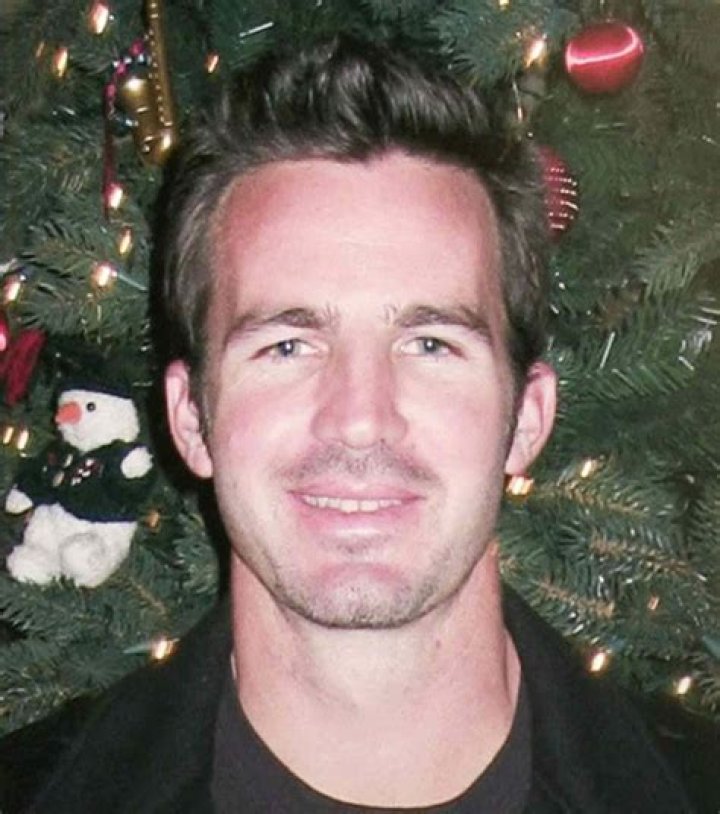
A tragic loss: Christina Revels Glick dies by suicide
Christina Revels Glick, a vibrant and promising young woman, recently took her own life. Her passing has left her family and friends devastated. Christinas story highlights the tragic consequences of suicide and the importance of seeking help when struggling with mental health issues.
Suicide is a leading cause of death among young people in the United States. In 2020, there were over 6,500 suicide deaths among people aged 15-24. Suicide is a complex issue with many contributing factors, including mental health conditions, substance abuse, and relationship problems.
It's crucial to recognize the warning signs of suicide and to take action if you or someone you know is struggling. If you are experiencing suicidal thoughts, please reach out for help. There are many resources available, including the National Suicide Prevention Lifeline at 1-800-273-8255.
Christina Revels Glick Dies By Suicide At
Christina Revels Glick's tragic death by suicide has brought attention to the importance of mental health awareness and suicide prevention. Here are 9 key aspects to consider:
- Mental health: Suicide is often the result of untreated mental health conditions, such as depression or anxiety.
- Warning signs: It's important to recognize the warning signs of suicide, such as talking about death or dying, feeling hopeless, or withdrawing from social activities.
- Seeking help: If you or someone you know is struggling with suicidal thoughts, it's crucial to seek help from a mental health professional or crisis hotline.
- Stigma: The stigma surrounding mental illness can prevent people from seeking help, which can lead to tragic consequences.
- Support: Having a strong support system of family and friends can help protect against suicide.
- Treatment: There are effective treatments available for mental health conditions that can help prevent suicide.
- Prevention: Suicide prevention programs can help raise awareness and provide resources to those at risk.
- Hope: It's important to remember that there is hope for people struggling with suicidal thoughts. With the right help, they can recover and live full and happy lives.
- Remembrance: Christina Revels Glick's death is a reminder that suicide is a serious issue that affects countless families and communities.
Christina Revels Glick was a bright and talented young woman who had her whole life ahead of her. Her death is a tragic loss, but her story can help raise awareness about the importance of mental health and suicide prevention. By understanding the key aspects of suicide, we can work together to prevent future tragedies.
Mental health
Suicide is a complex issue with many contributing factors, including mental health conditions. Untreated mental health conditions, such as depression or anxiety, can lead to feelings of hopelessness, worthlessness, and isolation, which can increase the risk of suicide. In the case of Christina Revels Glick, her death by suicide highlights the tragic consequences of untreated mental health conditions.
- Depression
Depression is a mood disorder that causes feelings of sadness, hopelessness, and worthlessness. It can also lead to changes in sleep, appetite, and energy levels. Depression is a major risk factor for suicide.
- Anxiety
Anxiety disorders are characterized by excessive fear and worry. People with anxiety disorders may avoid social situations, have difficulty concentrating, and experience physical symptoms such as sweating and heart palpitations. Anxiety disorders can also increase the risk of suicide.
- Other mental health conditions
Other mental health conditions that can increase the risk of suicide include bipolar disorder, schizophrenia, and post-traumatic stress disorder (PTSD).
It's important to recognize the warning signs of suicide and to seek help if you or someone you know is struggling. If you are experiencing suicidal thoughts, please reach out for help. There are many resources available, including the National Suicide Prevention Lifeline at 1-800-273-8255.
Warning signs
Suicide is a serious issue that affects countless families and communities. Recognizing the warning signs of suicide is crucial for prevention. These warning signs may include talking about death or dying, feeling hopeless, or withdrawing from social activities. In the case of Christina Revels Glick, her death by suicide highlights the importance of paying attention to these warning signs and seeking help when needed.
If you or someone you know is struggling with suicidal thoughts, it's important to reach out for help. There are many resources available, including the National Suicide Prevention Lifeline at 1-800-273-8255. With the right help, people struggling with suicidal thoughts can recover and live full and happy lives.
Key insights:
- Suicide is a preventable tragedy.
- Recognizing the warning signs of suicide is crucial.
- If you or someone you know is struggling with suicidal thoughts, it's important to reach out for help.
Seeking help
Suicide is a leading cause of death among young people in the United States. In 2020, there were over 6,500 suicide deaths among people aged 15-24. The death of Christina Revels Glick is a tragic reminder of the importance of seeking help when struggling with suicidal thoughts.
There are many reasons why people may hesitate to seek help for suicidal thoughts. They may feel ashamed or embarrassed, or they may fear being judged or stigmatized. However, it's important to remember that suicide is a serious mental health condition and that there is help available.
Mental health professionals are trained to help people understand and cope with suicidal thoughts. They can provide support, guidance, and treatment. Crisis hotlines are also available 24/7 to provide immediate support to people in crisis.
If you or someone you know is struggling with suicidal thoughts, please reach out for help. There are many resources available, including the National Suicide Prevention Lifeline at 1-800-273-8255.
Stigma
The stigma surrounding mental illness is a significant barrier to people seeking help for mental health problems. This stigma can lead to feelings of shame, embarrassment, and fear of being judged or discriminated against. As a result, many people who are struggling with mental health problems may avoid seeking help until their condition becomes severe or even life-threatening.
The death of Christina Revels Glick is a tragic example of the consequences of the stigma surrounding mental illness. Christina was a bright and talented young woman who struggled with depression. She was afraid to seek help because she feared being judged or stigmatized. As a result, her depression went untreated, and she ultimately died by suicide.
Christina's story is a reminder that the stigma surrounding mental illness can have deadly consequences. It is important to challenge this stigma and to create a more open and supportive environment for people who are struggling with mental health problems.
Here are some things that can be done to reduce the stigma surrounding mental illness:
- Educate yourself about mental illness and its causes.
- Talk openly about mental health problems and share your own experiences.
- Challenge negative stereotypes about mental illness.
- Support organizations that are working to reduce the stigma surrounding mental illness.
Support
Having a strong support system of family and friends is an important protective factor against suicide. Social support can provide emotional resilience, coping mechanisms, and a sense of belonging. It can also help to reduce feelings of isolation and loneliness, which are risk factors for suicide.
In the case of Christina Revels Glick, it is unclear whether she had a strong support system in place. However, her death by suicide highlights the importance of having people to turn to in times of crisis. If Christina had had a strong support system, she may have been more likely to seek help for her depression and to avoid taking her own life.
There are a number of things that family and friends can do to support someone who is struggling with suicidal thoughts. These include:
- Talking openly about suicide and expressing concern
- Listening without judgment and providing emotional support
- Helping to connect the person with mental health resources
- Encouraging the person to seek professional help
If you are concerned about someone who is struggling with suicidal thoughts, it is important to reach out and offer your support. You can also contact a crisis hotline or mental health professional for guidance.
Having a strong support system of family and friends can help to protect against suicide. If you are struggling with suicidal thoughts, please reach out for help. There are people who care about you and want to help you get through this difficult time.
Treatment
The tragic death of Christina Revels Glick by suicide highlights the importance of seeking treatment for mental health conditions. Effective treatments are available for a range of mental health conditions, including depression and anxiety, which can help to reduce the risk of suicide.
- Medication: Antidepressants and other medications can be effective in treating mental health conditions that increase the risk of suicide, such as depression and anxiety. These medications can help to improve mood, reduce anxiety, and increase feelings of hopefulness.
- Psychotherapy: Psychotherapy, also known as talk therapy, can help people to understand and manage their mental health conditions. Through psychotherapy, people can learn coping mechanisms, problem-solving skills, and ways to improve their overall mental health.
- Lifestyle changes: Making healthy lifestyle changes, such as eating a healthy diet, getting regular exercise, and getting enough sleep, can also help to improve mental health and reduce the risk of suicide.
If you or someone you know is struggling with a mental health condition, it is important to seek professional help. Treatment can help to reduce the risk of suicide and improve overall quality of life.
Prevention
Suicide prevention programs play a critical role in raising awareness about suicide and providing resources to those at risk. These programs can help to reduce the stigma associated with suicide, educate people about the warning signs of suicide, and connect people with mental health services. In the case of Christina Revels Glick, suicide prevention programs could have potentially helped her to recognize the warning signs of suicide and to seek help before it was too late.
- Education: Suicide prevention programs can educate people about the warning signs of suicide and how to respond to someone who is at risk. This education can help to reduce the stigma associated with suicide and make it more likely that people will seek help if they are struggling.
- Awareness: Suicide prevention programs can raise awareness about suicide and its impact on individuals, families, and communities. This awareness can help to reduce the stigma associated with suicide and make it more likely that people will seek help if they are struggling.
- Resources: Suicide prevention programs can provide resources to people who are at risk for suicide, such as crisis hotlines, mental health services, and support groups. These resources can help people to get the help they need to stay safe.
Suicide prevention programs are an essential part of the fight against suicide. These programs can help to save lives by raising awareness, educating people about the warning signs of suicide, and providing resources to those at risk.
Hope
The tragic death of Christina Revels Glick by suicide is a reminder of the devastating impact that suicide can have on individuals, families, and communities. However, it is important to remember that there is hope for people struggling with suicidal thoughts. With the right help, they can recover and live full and happy lives.
There are a number of effective treatments available for mental health conditions that can increase the risk of suicide, such as depression and anxiety. These treatments can help to reduce symptoms and improve overall quality of life. In addition, there are a number of things that family and friends can do to support someone who is struggling with suicidal thoughts.
It is important to remember that suicide is preventable. If you or someone you know is struggling with suicidal thoughts, please reach out for help. There are many resources available, including the National Suicide Prevention Lifeline at 1-800-273-8255.
Christina Revels Glick's death is a tragedy, but it is also a reminder that there is hope. With the right help, people can recover from suicidal thoughts and live full and happy lives.
Remembrance
The death of Christina Revels Glick by suicide is a tragic reminder of the devastating impact that suicide can have. Suicide is a serious issue that affects countless families and communities. In the United States, suicide is the second leading cause of death among people aged 15-24. Every year, over 44,000 people in the United States die by suicide.
Christina Revels Glick's death is a reminder that suicide can happen to anyone, regardless of age, race, gender, or socioeconomic status. It is important to be aware of the warning signs of suicide and to seek help if you or someone you know is struggling. If you are concerned about someone, please reach out to them and offer your support. You could save a life.
There are many things that we can do to prevent suicide. We can educate ourselves about the warning signs of suicide, we can reach out to people who are struggling, and we can support organizations that are working to prevent suicide. By working together, we can create a world where everyone has the opportunity to live a full and happy life.
FAQs about Christina Revels Glick's Death by Suicide
The death of Christina Revels Glick by suicide has raised many questions and concerns. Here are answers to some of the most common questions:
Question 1: What are the warning signs of suicide?
Answer: Warning signs of suicide can include talking about death or dying, feeling hopeless or worthless, withdrawing from social activities, and giving away possessions.
Question 2: What are the risk factors for suicide?
Answer: Risk factors for suicide include mental health conditions (such as depression or anxiety), substance abuse, and a history of trauma or abuse.
Question 3: What can I do to help someone who is suicidal?
Answer: If you are concerned about someone who is suicidal, the most important thing you can do is to reach out to them and offer your support. You can also encourage them to seek professional help.
Question 4: What are the treatment options for suicide?
Answer: Treatment options for suicide include medication, psychotherapy, and lifestyle changes. Treatment can help to reduce the risk of suicide and improve overall quality of life.
Question 5: How can I prevent suicide?
Answer: Suicide prevention is a community effort. We can all help to prevent suicide by educating ourselves about the warning signs and risk factors, reaching out to people who are struggling, and supporting organizations that are working to prevent suicide.
Question 6: What are the resources available for suicide prevention?
Answer: There are many resources available for suicide prevention, including the National Suicide Prevention Lifeline (1-800-273-8255) and the Crisis Text Line (text HOME to 741741).
Suicide is a serious issue, but it is preventable. By working together, we can create a world where everyone has the opportunity to live a full and happy life.
Transition to the next article section: Christina Revels Glick's Death by Suicide: A Call to Action
Tips for Preventing Suicide
Suicide is a serious issue that affects countless families and communities. It is the second leading cause of death among people aged 15-24 in the United States. However, suicide is preventable. By working together, we can create a world where everyone has the opportunity to live a full and happy life.
Here are five tips for preventing suicide:
Tip 1: Educate yourself about the warning signs and risk factors for suicide.
The first step to preventing suicide is to educate yourself about the warning signs and risk factors. Warning signs of suicide can include talking about death or dying, feeling hopeless or worthless, withdrawing from social activities, and giving away possessions. Risk factors for suicide include mental health conditions (such as depression or anxiety), substance abuse, and a history of trauma or abuse.
Tip 2: Reach out to people who are struggling.
If you are concerned about someone who is suicidal, the most important thing you can do is to reach out to them and offer your support. Let them know that you care about them and that you are there for them. Encourage them to seek professional help if needed.
Tip 3: Support organizations that are working to prevent suicide.
There are many organizations that are working to prevent suicide. You can support these organizations by donating your time or money, or by spreading the word about their work.
Tip 4: Be a good listener.
If someone confides in you that they are suicidal, it is important to be a good listener. Listen to what they have to say without judgment. Let them know that you understand how they are feeling and that you are there for them.
Tip 5: Take care of yourself.
Preventing suicide can be emotionally draining. It is important to take care of yourself so that you can be there for others. Make sure to get enough sleep, eat healthy foods, and exercise regularly. Talk to a friend or family member if you are feeling overwhelmed.
Suicide is a serious issue, but it is preventable. By working together, we can create a world where everyone has the opportunity to live a full and happy life.
Transition to the article's conclusion: Conclusion
Conclusion
The tragic death of Christina Revels Glick by suicide has highlighted the devastating impact of suicide and the importance of seeking help when struggling with mental health conditions. Suicide is a serious issue that affects countless families and communities, but it is preventable.
By educating ourselves about the warning signs and risk factors for suicide, reaching out to people who are struggling, and supporting organizations that are working to prevent suicide, we can create a world where everyone has the opportunity to live a full and happy life.
Unveiling Terrell Owens: A Journey Of Triumphs And Trials
Unveiling Erica Herman: Age, Height, Net Worth, And Beyond
Unveiling The Private Life Of Dominick Reyes: Marital Status Revealed
Woman is arrested after being caught masturbating with a vibrator on
Christina Revels Glick Wiki, Obituary, Age, Husband, Kids, Career