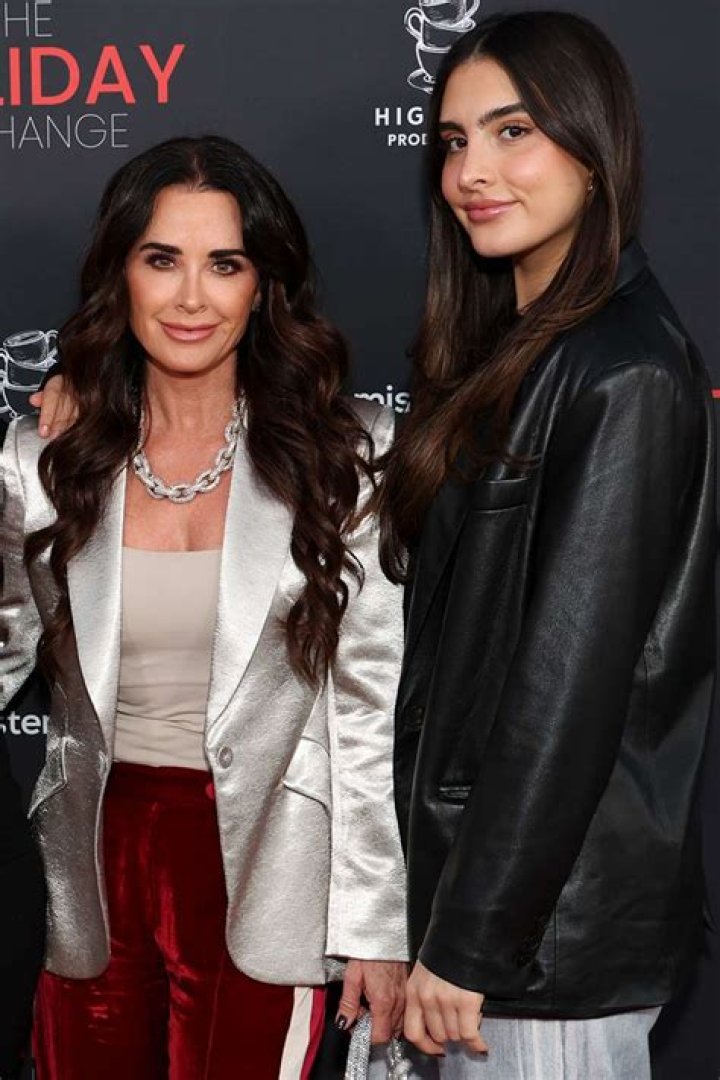
Rich Paul kids is a colloquial term to refer to the children of Rich Paul, an American sports agent and the founder of Klutch Sports Group. Paul represents some of the biggest names in the NBA, including LeBron James, Anthony Davis, and Ben Simmons. As a result, his children have grown up in a life of luxury and privilege.
The term "rich Paul kids" has been used in both positive and negative contexts. Some people use it to celebrate the success of Paul and his family. Others use it to criticize the lavish lifestyle that his children enjoy. Regardless of the connotation, the term has become synonymous with wealth and privilege.
The children of Rich Paul have been featured in the media on several occasions. They have been photographed attending red carpet events and sporting designer clothes. They have also been the subject of articles in magazines and newspapers.
Rich Paul Kids
The term "rich Paul kids" has gained traction in recent years, referring to the children of sports agent Rich Paul. Their lives have garnered attention, prompting discussions on various aspects related to wealth, privilege, and the impact on their development.
- Wealthy lifestyle: Rich Paul's success as an agent has afforded his children a life of luxury and extravagance.
- Public fascination: The lavish lifestyle of the "rich Paul kids" has captivated the public, with their appearances and activities frequently featured in the media.
- Privilege and opportunity: Growing up in such an affluent environment provides these children with significant advantages and opportunities.
- Education and upbringing: The "rich Paul kids" receive top-notch education and upbringing, shaping their values and perspectives.
- Social responsibility: With their platform and resources, these children have the potential to make a positive impact on society.
- Comparisons to peers: The experiences and challenges faced by the "rich Paul kids" may differ significantly from those of their peers.
- Future aspirations: The influence of their upbringing and the expectations placed upon them may shape their future aspirations and career paths.
- Public scrutiny: As children of a high-profile figure, the "rich Paul kids" are subject to constant public scrutiny and commentary.
- Ethical considerations: The concept of "rich Paul kids" raises ethical questions about equality, fairness, and the distribution of resources.
In conclusion, the "rich Paul kids" phenomenon highlights the complex interplay of wealth, privilege, and the development of children in the public eye. Their experiences offer valuable insights into the advantages and challenges faced by those born into affluence, sparking discussions on social responsibility, ethical considerations, and the role of upbringing in shaping future generations.
Wealthy lifestyle
Rich Paul's success as a sports agent has brought immense wealth to his family. His children have grown accustomed to a life of luxury and extravagance, which has become synonymous with the term "rich Paul kids."
- Material possessions: The children of Rich Paul enjoy access to designer clothes, expensive cars, and luxurious homes. They frequently flaunt their wealth on social media, showcasing their lavish lifestyle.
- Exclusive experiences: The "rich Paul kids" have access to exclusive experiences that most people can only dream of. They attend red carpet events, travel to exotic destinations, and dine at the finest restaurants.
- Educational advantages: The children of Rich Paul attend elite private schools and universities, giving them a significant advantage in their education and future careers.
- Social connections: Through their father's connections, the "rich Paul kids" have access to a wide network of influential people in the sports and entertainment industries.
The wealthy lifestyle of the "rich Paul kids" has a profound impact on their development and worldview. They may develop a sense of entitlement and a lack of understanding of the struggles faced by ordinary people. However, they also have the potential to use their wealth and privilege to make a positive impact on society.
Public fascination
The public's fascination with the "rich Paul kids" stems from a combination of factors, including their lavish lifestyle, famous parents, and the allure of wealth and privilege. The media plays a significant role in perpetuating this fascination by providing constant coverage of their activities and appearances.
This fascination has several implications. Firstly, it reinforces the idea that wealth and luxury are desirable and something to aspire to. Secondly, it creates a sense of distance between the "rich Paul kids" and ordinary people, who may feel that they can never achieve the same level of success and privilege. Thirdly, it can lead to unrealistic expectations and a sense of entitlement among the children themselves.
It is important to note that the "rich Paul kids" are just that - kids. They are still developing and learning about the world around them. It is unfair to judge them based on their wealth or the actions of their parents. However, it is also important to be aware of the potential negative effects of public fascination and to ensure that these children are given the opportunity to develop into well-rounded and responsible individuals.
Privilege and opportunity
The children of Rich Paul grow up in a world of privilege and opportunity that is most people. They have access to the best education, healthcare, and resources that money can buy. They are also surrounded by successful and influential people who can help them achieve their goals.
- Educational advantages: The children of Rich Paul attend elite private schools and universities, which gives them a significant advantage in their education. They have access to the best teachers and resources, and they are able to learn in a supportive environment.
- Career opportunities: The children of Rich Paul have a wide range of career opportunities open to them. They can follow in their father's footsteps and become sports agents, or they can pursue any other career that they choose. They have the resources and connections to succeed in whatever field they choose.
- Social connections: The children of Rich Paul have access to a wide network of influential people in the sports and entertainment industries. These connections can help them get their foot in the door in any career that they choose.
- Financial security: The children of Rich Paul are financially secure. They do not have to worry about money, and they can focus on their education and careers. This gives them a significant advantage over children who come from less wealthy families.
The privilege and opportunity that the children of Rich Paul enjoy can be a source of both advantage and disadvantage. On the one hand, it can help them to achieve great things in life. On the other hand, it can also lead to a sense of entitlement and a lack of understanding of the struggles faced by ordinary people.
Education and upbringing
The education and upbringing of the "rich Paul kids" plays a significant role in shaping their values, perspectives, and future opportunities. The advantages they enjoy, coupled with the guidance they receive from their parents and mentors, contribute to their overall development and worldview.
- Academic excellence: The "rich Paul kids" attend prestigious private schools and universities, providing them with access to exceptional academic resources and opportunities. This exposure to high-quality education fosters their intellectual curiosity and prepares them for success in higher education and beyond.
- Cultural enrichment: Growing up in an affluent environment allows the "rich Paul kids" to experience a wide range of cultural activities, such as attending museums, concerts, and sporting events. These experiences broaden their horizons, cultivate their appreciation for the arts, and expose them to diverse perspectives.
- Values and ethics: The parents of the "rich Paul kids" emphasize the importance of strong values and ethical behavior. They instill in their children a sense of responsibility, compassion, and integrity, shaping their moral compass and guiding their future decision-making.
- Mentorship and guidance: The "rich Paul kids" benefit from mentorship and guidance from successful individuals in various fields. These mentors provide invaluable advice, support, and encouragement, helping them navigate the challenges and opportunities of life.
In conclusion, the education and upbringing of the "rich Paul kids" are integral to their development as well-rounded individuals. The advantages they enjoy, combined with the values and guidance they receive, shape their perspectives, aspirations, and future contributions to society.
Social responsibility
The children of Rich Paul, often referred to as "rich Paul kids," possess a unique opportunity to leverage their platform and resources to create a positive impact on society. Their privileged upbringing and access to vast networks afford them the ability to support various causes and initiatives that align with their values and interests.
- Philanthropy and charitable giving: Many "rich Paul kids" engage in philanthropic activities, donating to charitable organizations and causes close to their hearts. Their financial contributions can significantly support organizations working towards social, environmental, and educational initiatives.
- Advocacy and awareness campaigns: With their public platforms, the "rich Paul kids" can raise awareness about important issues and advocate for change. They can use their social media presence and connections to amplify the voices of marginalized communities and promote social justice.
- Mentorship and youth empowerment: The "rich Paul kids" can serve as mentors and role models for underprivileged youth, providing guidance, support, and inspiration. They can share their experiences, offer advice, and create opportunities for these young individuals to succeed.
- Sustainable living and environmental awareness: The "rich Paul kids" can promote sustainable living practices and raise awareness about environmental issues. They can use their influence to advocate for responsible consumption, reduce their carbon footprint, and support organizations working towards environmental protection.
By embracing social responsibility, the "rich Paul kids" can transcend their privileged backgrounds and contribute to the greater good. Their actions can inspire others to use their resources and influence to make a positive difference in the world.
Comparisons to peers
The experiences and challenges faced by the "rich Paul kids" often differ significantly from those of their peers due to the vast disparities in their socioeconomic backgrounds. These differences can have a profound impact on their development, worldview, and life opportunities.
Growing up in an affluent environment, the "rich Paul kids" may have limited exposure to the financial struggles and social challenges faced by many of their peers. This lack of exposure can lead to a lack of empathy and understanding of the experiences of others, potentially creating a sense of isolation and privilege.
Furthermore, the "rich Paul kids" may face unique challenges related to their family's wealth and fame. They may be subjected to public scrutiny, media attention, and unrealistic expectations, which can be overwhelming and impact their emotional well-being.
It is important to recognize that the "rich Paul kids" are individuals with their own unique experiences and challenges. While their socioeconomic status may provide them with certain advantages, it does not negate the importance of understanding the perspectives and experiences of their peers from diverse backgrounds.
By fostering empathy and encouraging the "rich Paul kids" to engage with individuals from different socioeconomic groups, we can promote a more inclusive and just society where all children have the opportunity to reach their full potential, regardless of their background.
Future aspirations
For "rich Paul kids," the influence of their upbringing and the expectations placed upon them can significantly impact their future aspirations and career paths. These children grow up in an environment of privilege and opportunity, which can shape their values, goals, and sense of entitlement.
- Parental Influence: The expectations and values instilled by Rich Paul and his family can strongly influence the aspirations of his children. They may feel pressure to follow in their father's footsteps or pursue careers that align with the family's interests and connections.
- Social and Cultural Expectations: The "rich Paul kids" are part of a social circle where wealth, success, and certain career paths are highly valued. This can create a sense of conformity and limit their exploration of alternative aspirations that may not fit within these expectations.
- Access to Resources and Opportunities: Growing up in an affluent family provides the "rich Paul kids" with access to exceptional educational opportunities, mentorships, and networking connections. These advantages can open doors to prestigious universities, internships, and career paths that may not be readily available to others.
- Sense of Entitlement: The privileged upbringing of the "rich Paul kids" may foster a sense of entitlement and a belief that they are destined for success. This can lead them to set unrealistic expectations for themselves and may hinder their motivation to work hard and develop a strong work ethic.
Understanding the complex interplay between upbringing, expectations, and future aspirations is crucial in examining the lives of "rich Paul kids." It highlights the need for balanced parenting, realistic expectations, and encouragement of diverse interests to foster well-rounded individuals who can navigate the challenges and opportunities that lie ahead.
Public scrutiny
The intense public scrutiny faced by the "rich Paul kids" stems from their association with their father, Rich Paul, a renowned sports agent. This scrutiny has profound implications for their lives and serves as an essential aspect of their experience as "rich Paul kids."
- Unwarranted Attention: The children of Rich Paul are constantly in the spotlight, with their every move documented and analyzed by the media and the public. This unwarranted attention can be overwhelming and intrusive, affecting their privacy and sense of normalcy.
- Heightened Expectations: As children of a successful and respected figure, the "rich Paul kids" are often held to higher standards and expectations. Their actions and behavior are scrutinized, and any missteps or perceived flaws are amplified in the public eye.
- Cyberbullying and Online Harassment: The "rich Paul kids" are vulnerable to cyberbullying and online harassment due to their high profile. Negative comments, rumors, and even threats can spread rapidly through social media, causing emotional distress and damage to their reputation.
- Limited Privacy: The private lives of the "rich Paul kids" are often dissected and discussed in public forums. Boundaries between their personal and public lives become blurred, limiting their ability to maintain a sense of privacy and autonomy.
The constant public scrutiny faced by the "rich Paul kids" is a double-edged sword. While it affords them certain privileges and opportunities, it also exposes them to intense pressure, criticism, and potential harm. Understanding the complexities of this scrutiny is vital in examining the lives and experiences of "rich Paul kids."
Ethical considerations
The concept of "rich Paul kids" raises ethical questions about equality, fairness, and the distribution of resources. The vast wealth and privilege enjoyed by these children, often as a result of their parents' success in fields such as sports or entertainment, can raise concerns about the fairness of such disparities in society. Critics argue that the advantages bestowed upon "rich Paul kids" can perpetuate cycles of inequality and undermine the principles of a just and equitable society.
The ethical considerations surrounding "rich Paul kids" stem from the fact that their wealth and privilege are not solely the result of their own efforts or merits. Rather, they benefit from the success and resources accumulated by their parents, which can give them an unfair advantage over those from less fortunate backgrounds. This can lead to questions about whether society is doing enough to ensure that all children have an equal opportunity to succeed, regardless of their socioeconomic status.
Furthermore, the lavish lifestyles and conspicuous consumption often associated with "rich Paul kids" can be seen as a symbol of the growing wealth gap in society. Critics argue that the excessive spending and display of wealth by these children can exacerbate feelings of resentment and inequality among those who struggle to make ends meet. This can undermine social cohesion and create a sense of division within communities.
Frequently Asked Questions about "Rich Paul Kids"
This section addresses common concerns and misconceptions surrounding the term "rich Paul kids," providing brief and informative answers to frequently asked questions.
Question 1: Who are "rich Paul kids"?
Answer: The term "rich Paul kids" refers to the children of Rich Paul, a prominent American sports agent who represents high-profile basketball players. These children have gained attention due to their wealthy lifestyle and association with celebrities.
Question 2: What ethical concerns are raised by the concept of "rich Paul kids"?
Answer: The concept raises questions about equality and fairness, as these children inherit significant wealth and privilege based on their parents' success rather than their own merits. Critics argue that this can perpetuate social and economic disparities.
Question 3: How does the public perception of "rich Paul kids" impact their lives?
Answer: The constant media attention and public scrutiny can be overwhelming for these children. They face heightened expectations, privacy concerns, and potential cyberbullying, which can significantly affect their well-being.
Question 4: What are the potential drawbacks of growing up as a "rich Paul kid"?
Answer: While they enjoy certain advantages, these children may also experience a lack of privacy, pressure to conform to societal expectations, and a sense of entitlement that can hinder their personal growth and development.
Question 5: How can we address the societal implications of "rich Paul kids"?
Answer: Encouraging empathy, promoting fair and equitable opportunities for all children, and fostering a culture that values hard work and meritocracy over inherited wealth can help mitigate the negative societal impacts.
Question 6: What is the responsibility of "rich Paul kids" in navigating their privileged upbringing?
Answer: It is important for these children to be mindful of their advantages, develop a strong work ethic, and use their platform to promote positive values and contribute to society in a meaningful way.
In conclusion, the concept of "rich Paul kids" raises complex ethical, social, and personal considerations. By understanding the nuances of this phenomenon and fostering a more equitable and just society, we can ensure that all children have the opportunity to reach their full potential, regardless of their socioeconomic background.
Transition to the next article section:
This concludes our exploration of the term "rich Paul kids." In the following section, we will delve into another topic related to wealth and privilege in contemporary society.
Tips for Understanding the Phenomenon of "Rich Paul Kids"
To gain a comprehensive understanding of the phenomenon of "rich Paul kids," consider the following insightful tips:
Tip 1: Recognize the Contextual Factors: Understand the unique circumstances and advantages that these children inherit due to their parents' success in the sports or entertainment industry.
Tip 2: Examine the Ethical Implications: Analyze the ethical concerns surrounding inequality, fairness, and the distribution of resources that arise from the concept of "rich Paul kids."
Tip 3: Consider the Impact of Public Perception: Explore how the constant media attention and public scrutiny shape the lives and experiences of these children, including the potential benefits and drawbacks.
Tip 4: Acknowledge the Personal Challenges: Recognize that growing up as a "rich Paul kid" can present unique challenges, such as a lack of privacy, societal expectations, and a sense of entitlement.
Tip 5: Promote Equitable Opportunities: Advocate for policies and initiatives that create a more just and equitable society, ensuring that all children have the opportunity to succeed regardless of their socioeconomic background.
Tip 6: Encourage Responsible Behavior: Emphasize the importance of personal responsibility for "rich Paul kids," encouraging them to use their advantages to contribute positively to society.
Tip 7: Foster Empathy and Understanding: Promote empathy and understanding between "rich Paul kids" and individuals from diverse backgrounds to bridge social divides and create a more inclusive society.
Tip 8: Engage in Thoughtful Discussions: Encourage open and respectful discussions about the complexities of "rich Paul kids" to raise awareness, challenge stereotypes, and foster informed perspectives.
By considering these tips, individuals can gain a more nuanced understanding of the phenomenon of "rich Paul kids" and its implications for society. This knowledge can contribute to more informed discussions, equitable policies, and a fairer distribution of opportunities for all.
Conclusion
The phenomenon of "rich Paul kids" has garnered significant attention and sparked discussions about wealth, privilege, and the complexities of growing up in the public eye. This article has explored various facets of this phenomenon, examining its ethical implications, societal impact, and personal challenges.
Understanding the nuances of "rich Paul kids" is crucial for fostering a more just and equitable society. This requires addressing concerns about inequality, promoting fair opportunities for all, and encouraging responsible behavior among those who inherit significant wealth and privilege. By embracing empathy, fostering open dialogue, and implementing thoughtful policies, we can create a society where every child has the chance to reach their full potential, regardless of their background.